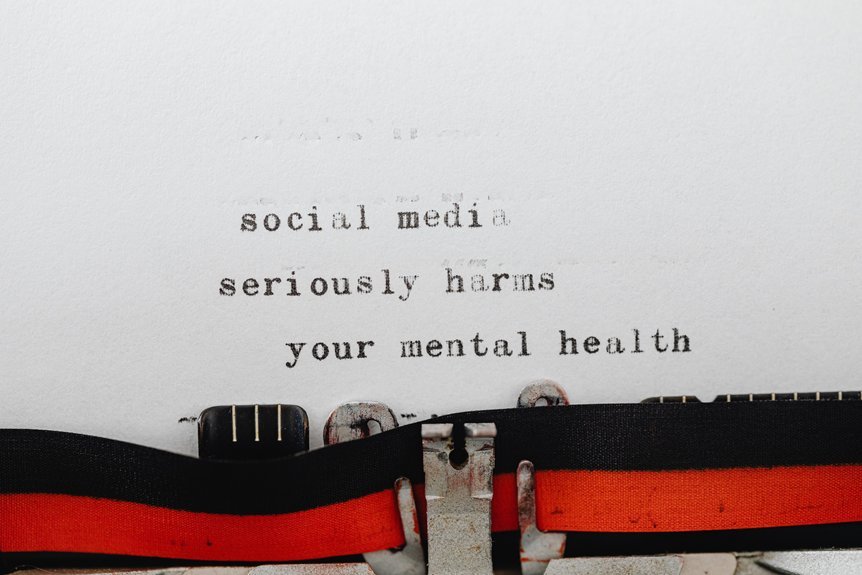
Frequent concerns often signal patterns rather than isolated events. A practical guide begins by spotting recurring cues and comparing them with actual outcomes to avoid overreaction. The approach emphasizes disciplined awareness that uncovers worry loops. With that insight, routines become tools for measured responses. Small, repeatable habits translate clarity into momentum, guiding daily decisions and preserving autonomy even when tensions rise. The next step turns observation into action, prompting a closer look at how to structure tempo and choice.
How Frequent Concerns Start and What They Signal
Frequent concerns often begin subtly, signaling a misalignment between expectations and experience. In this process, cognitive framing shifts, creating a perceived risk where none exists or is exaggerated. Early indicators emerge as patterns rather than isolated events, inviting scrutiny.
The mind catalogues worry signals as failures, prompting defensive reasoning. Recognizing these signals enables measured evaluation and preserves autonomy and purposeful action.
Quick Pattern-Spotting to Break the Worry Loop
Quick pattern-spotting serves as a diagnostic lens: rather than reacting to each worry, the reader trains attention on recurring cues, cross-checking them against actual outcomes. In this framework, quick patterns emerge, guiding perception away from impulsive narratives toward evidence.
This practice illuminates worry loops, enabling measured responses, reduced reactivity, and increased autonomy—an invitation to freedom through disciplined awareness.
Practical Routines to Reduce Anxiety in Daily Decisions
Practical routines for daily decisions focus on structured lenses and time-conscious checks that reduce snap judgments. The approach analyzes options with deliberate pacing, segmenting choices by impact and cost. Time management tools enforce deadlines, while cognitive reframing reframes fear into curiosity. This detachment fosters autonomy, encouraging clear evaluation, minimized regret, and a sense of freedom through disciplined, purposeful decision navigation.
From Insight to Action: Small Habits That Build Momentum
From insight to action, small habits serve as the incremental forces that translate understanding into measurable progress. The discussion examines how minute, repeatable routines convert moments of clarity into sustained momentum.
Frequently Asked Questions
What Exactly Triggers the First Noticeable Anxiety Spike?
The first noticeable anxiety spike is typically triggered by perceived threat or uncertainty, marking anxiety onset. The trigger triggers alertness, cognitive narrowing, and physiological arousal, reflecting a protective mechanism rather than a flaw, guiding awareness toward adaptive self-regulation.
Can Concerns Arise Without a Clear Cognitive Pattern?
Concerns can arise without clear cognitive patterns, as scattered signals trigger unease; the mind may invent ambiguous cues. The analysis notes unclear patterns in worry regulation, prompting adaptive, curious examination rather than rigid deduction.
How Do External Stressors Influence Internal Worry Signals?
External stressors shape internal worry signals by perturbing cognitive patterns, with age differences influencing emphasis; some individuals exhibit obsessive thinking. The question examines how stressors modulate worry, suggesting a dynamic interplay between physiology, cognition, and experiential freedom.
Are There Age-Specific Differences in Frequent Concerns?
Age-specific patterns show concern differences across developmental stages, with frequency patterns shifting as cognition and autonomy evolve; however, variability persists, suggesting individual trajectories. The analysis highlights systematic contrasts alongside personal, contextual drivers shaping concern intensity.
How to Distinguish Practical Worry From Obsessive Thinking?
Distinguishing worry from obsessive thinking patterns rests on noticing persistent loops, with triggers for anxiety identified alongside external stressors; age related differences may modulate sensitivity. The model analyzes habitual patterns, promoting curiosity and freedom over compulsion.
Conclusion
In summary, frequent concerns arise from predictable cognitive loops that misread routine cues as urgent threats. The key is quick pattern-spotting: test worries against outcomes, not impressions, and halt spirals before they deepen. Practical routines—timed checks, impact-based decision segments—convert worry into measured pacing. From insight to action, small, repeatable habits create steady momentum, turning uncertainty into direction. Like a compass humming quietly, disciplined awareness keeps daily choices aligned with long-term purpose.