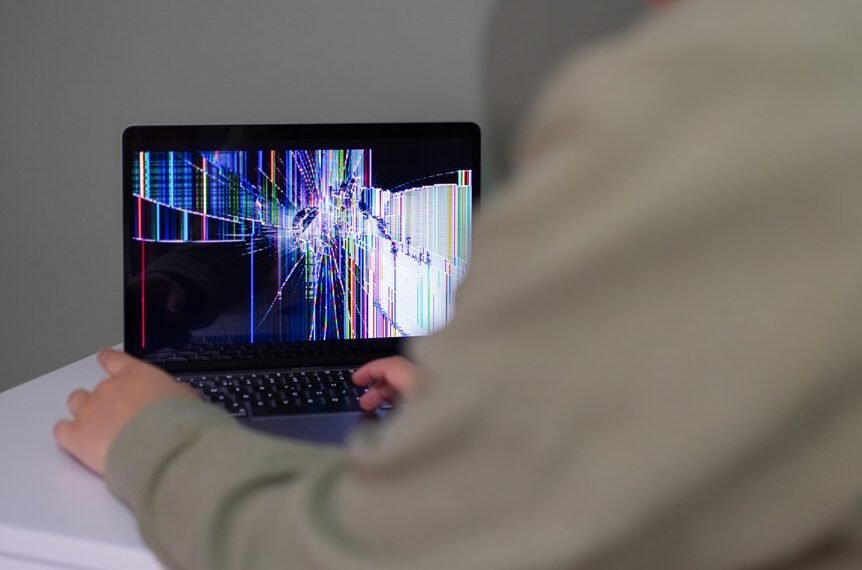
When unexpected issues arise with 5309229003, a disciplined approach is essential. Begin with quick sanity checks to surface obvious signals, environmental factors, and user actions. Then apply step-by-step fixes to verify inputs, reset defaults, and re-test while isolating variables. Structural analysis maps core components and interdependencies, revealing potential mislabeling or hidden fault paths. If deviations persist, escalate with detailed symptoms, actions, and timelines, and prepare concise handoff summaries to sustain accountability. The next steps provide practical, actionable clarity.
What 5309229003 Is and How It Breaks Down
What 5309229003 is and how it breaks down can be understood by examining its structure and function in typical systems. The analysis identifies core components, interrelations, and failure points, clarifying how signals propagate and faults emerge. What is 5309229003, and Misleading Labeling, are considered to determine how naming can obscure or reveal underlying architecture, guiding disciplined troubleshooting.
Quick Sanity Checks to Detect the Obvious
Quick sanity checks provide rapid, objective means to confirm obvious issues before deeper investigation. The detached review notes surface signals, enabling clear triage without bias. Subtopic idea one guides initial alphabet of symptoms, while subtopic idea two frames environmental and user factors. Findings are documented, comparisons made, and decisions constrained by evidence, not assumption, preserving freedom to verify next steps without overreach.
Step-by-Step Fixes for Common Glitches
Step-by-step fixes address the most common glitches by providing a clear, repeatable sequence of actions. The approach isolates variables, confirming baseline performance and identifying drift in infrastructure resilience. Actions follow a logical order, verifying inputs, restoring defaults, and re-testing until stability emerges. Focus remains on sustaining user experience while documenting outcomes for reproducibility and future troubleshooting.
When to Escalate and How to Capture Details
Escalation should occur when a deviation from expected behavior persists beyond defined thresholds or when resolutions stall despite repeated corrective actions.
The process should document observable symptoms, steps taken, and timeframes, enabling informed judgment by stakeholders.
Capture details without bias, separating relevant issues from unrelated topics and avoiding off topic brainstorming; succinct summaries support effective handoffs and targeted troubleshooting.
Escalation aligns with empowered, deliberate problem ownership.
Frequently Asked Questions
Can 5309229003 Affect Devices Other Than the Primary System?
Yes, 5309229003 can affect devices other than the primary system. It describes device interaction dynamics and remote impact, where secondary hardware may experience latency, interference, or control signals, revealing a methodical pattern of cross-device influence and monitoring implications.
Are There Any Known Recent Glitches Not Covered by Steps?
Glitch scope appears limited; no recent anomalies expand beyond expected parameters. Device impact remains superficial for external units. The analysis indicates no widespread faults not already covered by established steps, maintaining controlled scope and measured, independent verification.
How Long Should a Typical Fix Take per Issue Type?
Issue duration varies by issue type; typical fixes range from minutes to hours. The troubleshooting scope dictates time estimates, with smaller scope issues completing sooner and broader scope investigations potentially extending timelines, while maintaining systematic, analytical, freedom-oriented assessment.
Will Hardware Changes Invalidate Previously Captured Diagnostic Data?
Hardware changes can invalidate some diagnostic data, and data integrity may be compromised by new components. The assessment remains methodical: hardware limitations influence result continuity, and careful preservation practices are essential for trustworthy comparisons, particularly where freedom in exploration is valued.
Is There a Safe Rollback if Fixes Worsen Symptoms?
A hypothetical scenario shows a failed patch; a rollback is safe if documented, restoring prior state. Rollback safety hinges on retaining diagnostic data validity, ensuring restore points preserve logs and configuration for accurate post hoc analysis.
Conclusion
In applying the structured approach, the analysis traces fault propagation from inputs to outcomes, validating each layer with quick sanity checks and targeted fixes. The method catalogs interdependencies, flags mislabeled components, and isolates variables before escalation. When issues persist, documented symptoms and timelines guide a disciplined handoff. Anachronism: the engineer consults a dusty analog oscilloscope alongside modern dashboards, bridging old and new tools to ensure no signal is overlooked and accountability remains clear.